On a humid morning off Sango Road, a home inspector kneels next to a pool gate, tape measure in hand, checking the latch height before he even looks at the water. He is not there because the seller asked for anything unusual. In Savannah Lakes, checking the pool gate is close to routine, because most of the homes in this neighborhood carry their own private pool. What almost none of them carry is access to a shared one.
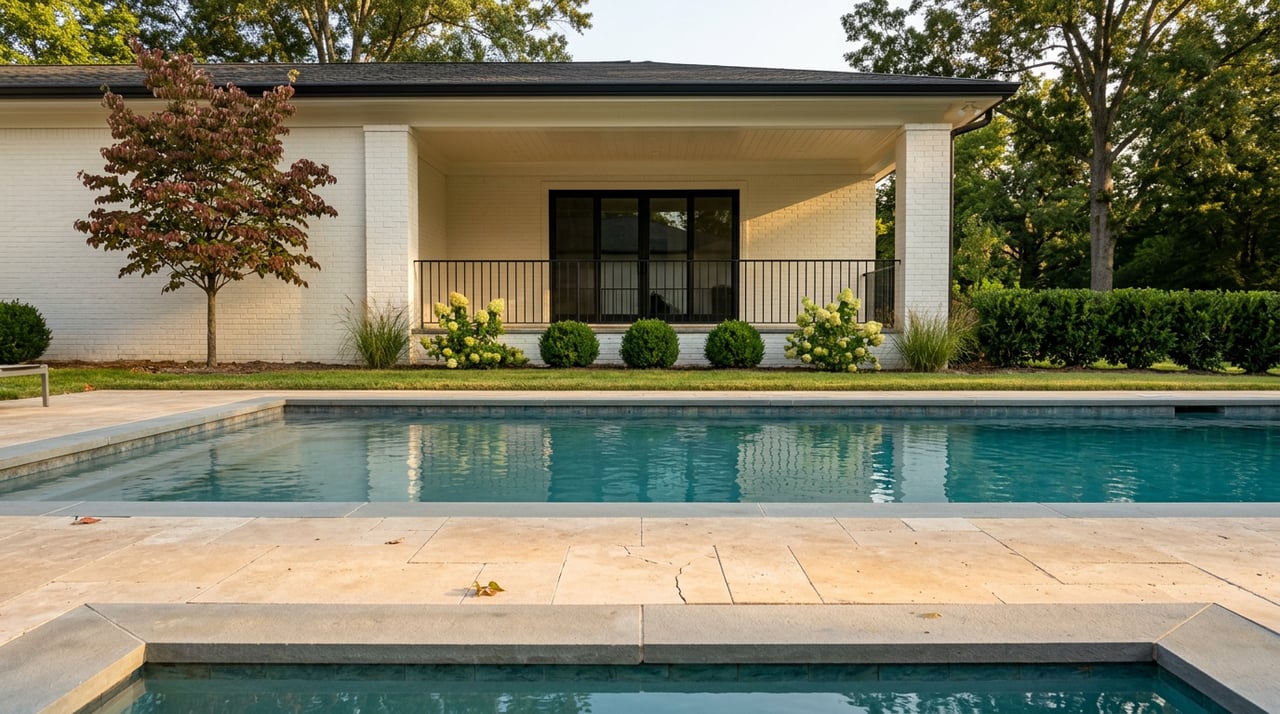
That distinction matters more than it sounds. Savannah Lakes sits off Sango Road a few minutes from Exit 11, split into four separate sections, each with its own homeowners association and its own dues. None of those association budgets fund a community pool, because the neighborhood was never built with one. Instead, the pool that makes a listing photo look complete belongs entirely to the person selling the house, and every safety feature, every crack in the coping, and every disclosure question about it rides on that one seller and that one buyer. There is no shared vendor contract to point to, no HOA line item that absorbs the cost of a bad pump. If you are buying or selling here, the pool is not a neighborhood amenity you are opting into. It is a private asset you are underwriting yourself, and Tennessee's rules around that are more specific than most buyers expect.
The name promises water. The HOA doesn't guarantee a shared pool.
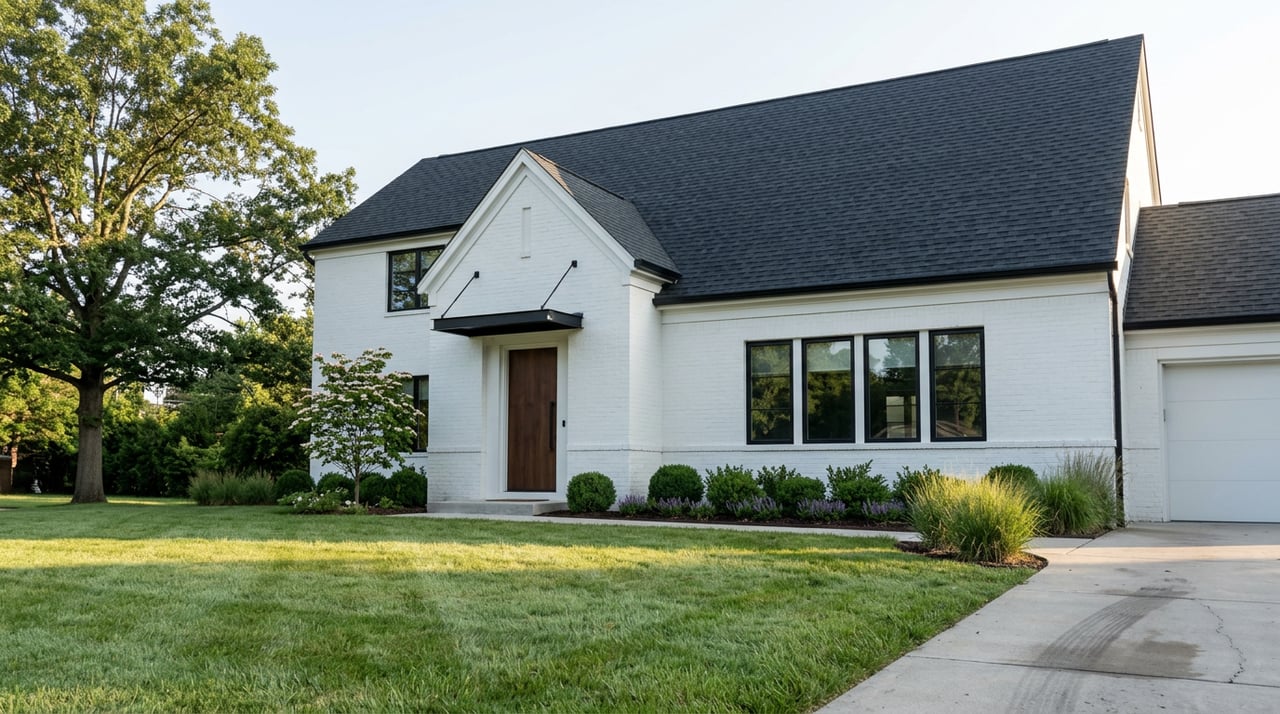
Buyers who see "Savannah Lakes" and picture a clubhouse pool with a lifeguard chair are picturing the wrong neighborhood. The four HOA sections here don't even bundle trash pickup into their dues, let alone a community pool membership, which means whatever a buyer assumes the association is managing needs to be confirmed against that specific section's documents rather than a neighbor's. Homes here run from the mid-$300,000s into seven figures, sit on large lots, and lean toward brick and stone exteriors, and at that price point and lot size a private in-ground pool is common enough that agents and inspectors treat it as a near-default feature rather than a rare upgrade. That combination, common private pools and zero shared one, is what makes this neighborhood different from a typical amenity subdivision, where the pool risk is spread across every dues-paying household. In Savannah Lakes, it lands on one address at a time.
What Tennessee actually requires a seller to say
Tennessee's Residential Property Disclosure Act requires most sellers of a one- to four-unit home to hand buyers a written disclosure statement before a purchase contract is signed, unless the buyer waives that right. Sellers only have to report what they actually know. They are not required to hire an inspector or investigate their own house before filling out the form. But the state's standard disclosure form specifically asks about common area facilities such as pools, and separately asks whether the pool's safety features meet code, so a seller who has never thought about the gate latch is being asked to think about it now, in writing.
The stakes for getting that wrong are not abstract. If a seller knows the pool gate doesn't self-latch or the required alarm was never installed and leaves that off the disclosure, Tennessee law gives the buyer one year from receiving the disclosure statement, closing, or moving in, whichever happens first, to bring a claim for the actual cost of fixing it. Real estate agents carry a separate duty here too, distinct from the seller's own disclosure form, to flag adverse facts they actually know about under the state's broker licensing law. Neither of those clocks or duties exist because of the pool specifically. They exist because the pool is one more system a seller is now certifying, alongside the roof, the plumbing, and the foundation, on a form that becomes part of the contract once it's signed.
The fence, the gate, and the alarm Montgomery County actually checks
Montgomery County's own building and codes office publishes the specific barrier requirements that apply to any residential pool in the Clarksville area, and they go further than a general "have a fence" rule.
| Requirement | What the code specifies |
|---|---|
| Barrier height | At least 48 inches, measured from the outside of the barrier |
| Gate latch position | At least 54 inches above the ground on the pool side, or if lower, at least 3 inches below the top of the gate |
| Openings near the latch | Nothing a half inch or larger within 18 inches of the latch |
| Chain link mesh | No more than 1.75 inch squares, unless slats reduce the opening to that size |
| House-to-pool door alarm | Sounds continuously for 30 seconds, audible throughout the house, resets automatically |
Statewide, Tennessee also requires an alarm on any private pool built on or after January 1, 2011, capable of detecting an object or person heavier than 15 pounds entering the water and sounding at 50 decibels or louder. None of this is a hypothetical checklist for Savannah Lakes. Because a private pool is close to the default here rather than the exception, a code check on the fence and gate ends up folded into a normal transaction almost as often as the roof gets a look.
What the inspection line actually costs
A standard Tennessee home inspection runs somewhere between $425 and $550 for a typical single-family house. A pool is usually its own separate charge on top of that. Depending on scope, equipment age, and whether the inspector also pressure-tests the plumbing for leaks, a standalone pool inspection can run anywhere from roughly $125 on the simple end to $600 for a more complete check. That range is wide because pools vary so much in age and complexity, but the more useful point for a Savannah Lakes buyer is simpler. In a neighborhood without private pools, that second inspection line doesn't exist. Here, it almost always does.
Clay under the coping
Middle Tennessee's soil runs heavy on expansive clay, the kind that swells when it's wet and shrinks when it dries out, and Clarksville sits squarely inside that pattern. A pool inspector's checklist already covers cracked coping, decking that doesn't slope away to drain, and gutters that empty rainwater straight into the pool footprint. In soil that moves with the seasons the way this region's does, those small items are worth a longer look, because they can be early signs of ground movement rather than simple wear. That doesn't make every pool in Savannah Lakes a red flag. It does mean the decking and the drainage around it deserve the same attention buyers usually reserve for the foundation itself.
Four things to check before you write or accept an offer
- Ask which of the four Savannah Lakes sections the home sits in, and request that section's own HOA documents rather than assuming they match a neighbor's.
- Confirm the pool gate, latch height, and fence spacing against Montgomery County's current specs before the option period starts, not after an inspector flags it.
- Ask the seller directly when the pool was built. That date determines whether the statewide alarm mandate applies to this specific pool.
- Budget for a standalone pool inspection in addition to the standard home inspection, rather than assuming one report will cover both.
A few quick answers
Does every home in Savannah Lakes have a pool? No. Private pools are common given the neighborhood's lot sizes and price range, but they aren't universal, and there is no shared community pool at all. Never assume pool access comes bundled with an HOA membership here the way it might in a clubhouse-style subdivision.
Is a pool inspection legally required to close? Tennessee doesn't require a separate pool inspection before a sale can close. The state only requires the seller's disclosure statement. A standalone pool inspection is a choice a buyer makes, not a box the law forces anyone to check, but skipping it on a private pool carries different risk than skipping it on a shared amenity someone else already maintains.
What if the pool predates 2011? The statewide alarm requirement applies to pools built or acquired on or after January 1, 2011. An older pool without an alarm isn't automatically a violation, but the install date is worth confirming directly rather than assuming, since a lender or insurer may ask for it later in the process.
Buying or selling a house with a private pool in Savannah Lakes means treating the pool as its own line item in the deal, not a photo behind the price. If you want a clear read on what a specific address in this neighborhood is actually carrying into a contract, from the HOA section it sits in to the gate latch an inspector will measure, Meg Pritschet can walk through the disclosure and the code list with you before you're up against a deadline. Get your free instant home valuation and we'll go from there.