Craving more space, privacy, and a refined home base in Clarksville? If you have your eye on Rudolphtown, you’re in good company. Many buyers target this established neighborhood for its near-acre wooded lots and upgraded homes that feel both polished and practical. In this guide, you’ll learn what “acreage and luxury” really looks like in Rudolphtown, how utilities and zoning shape what you can do, and what ownership costs to expect so you can buy with confidence. Let’s dive in.
Why choose Rudolphtown
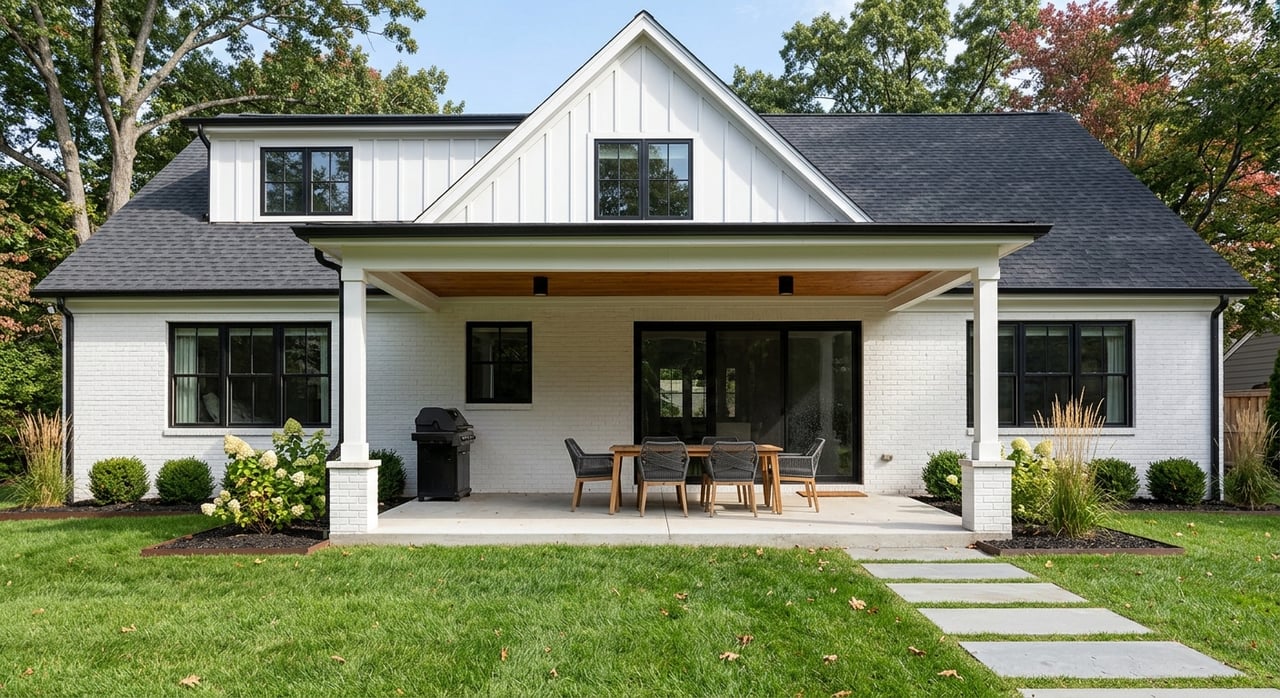
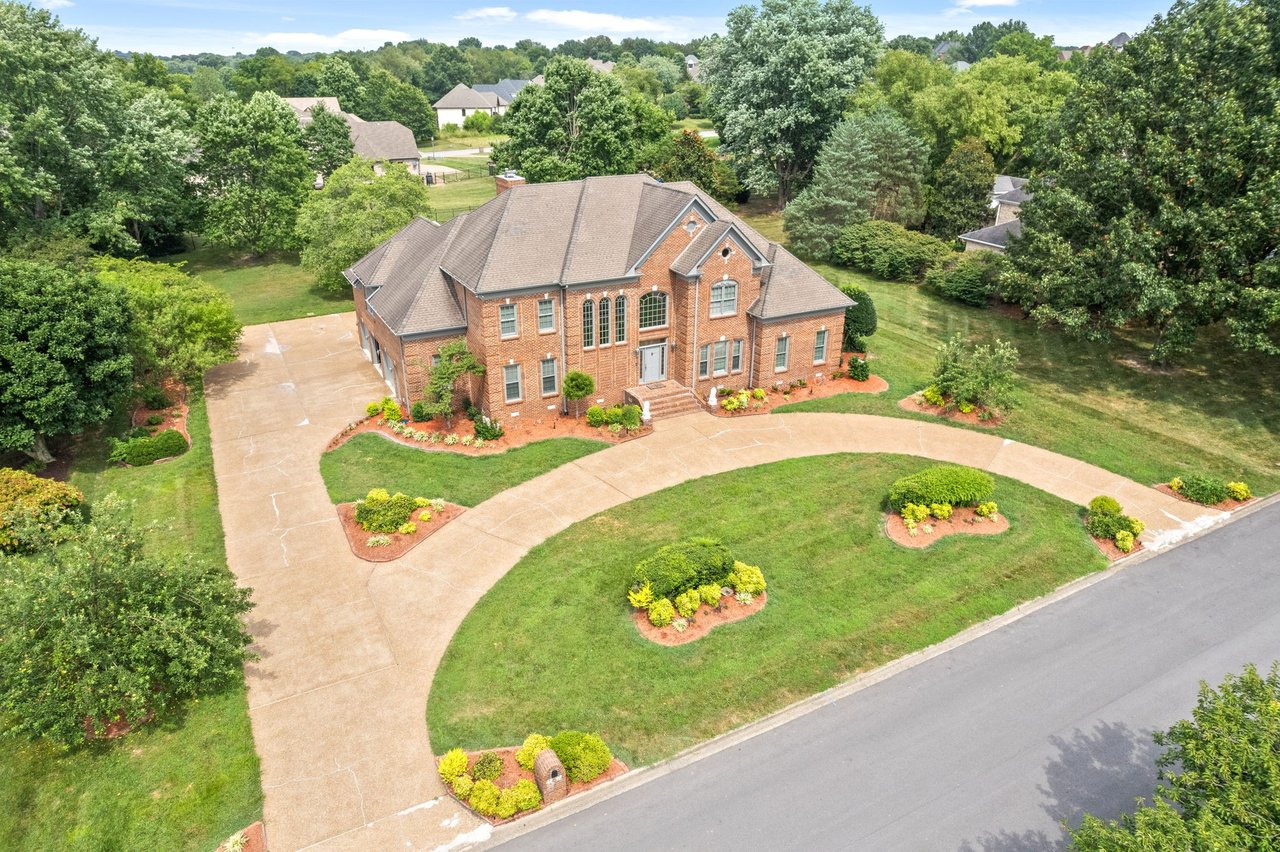
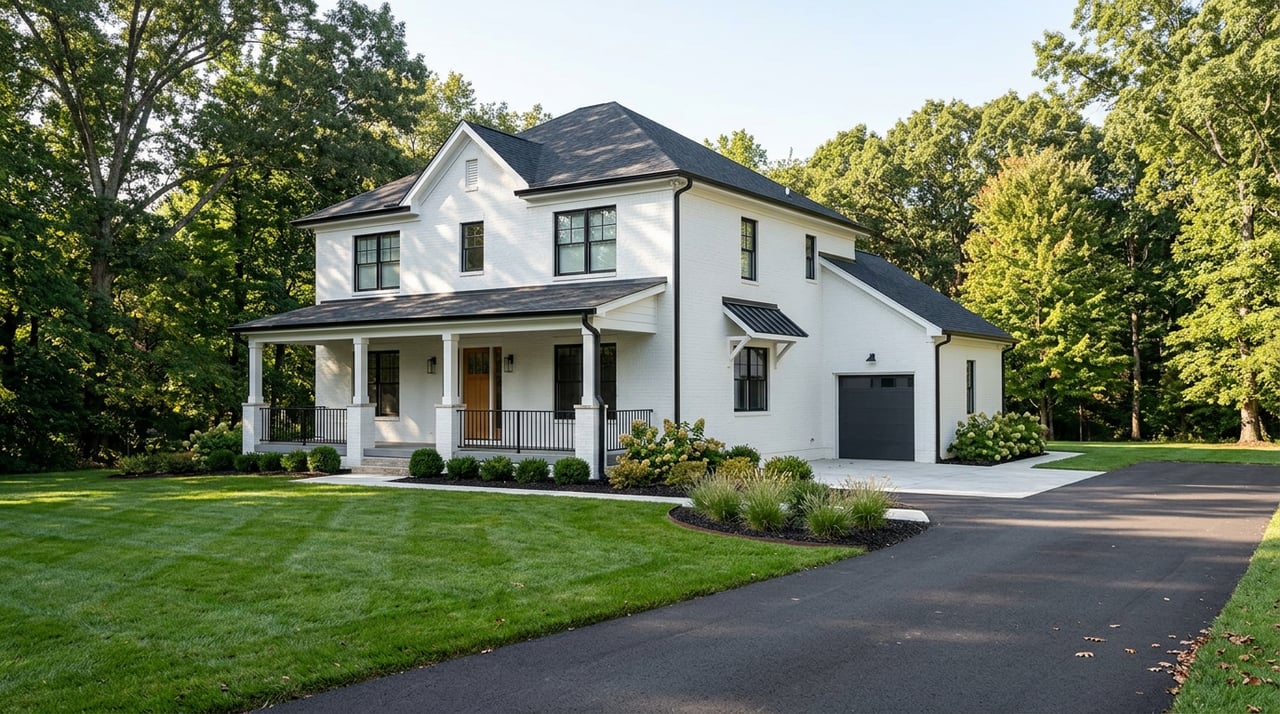
Rudolphtown is known locally for estate-style homes on larger lots. Many properties advertise wooded settings and roughly 0.8 to 1.5 acres, with occasional parcels above that. Inventory skews move-up to upper-tier, with finishes that appeal if you want space and comfort.
Prices trend above the Clarksville city median. Citywide, typical values sit in the low to mid $300k range, while Rudolphtown listings often cluster from the high $400s to the $700k band and higher for premium properties. Inventory changes quickly, so it is smart to review fresh comps when you are ready to tour.
What you’ll find on the market
Lot sizes and setting
Expect many lots around 0.7 to 1.2 acres, with a common sweet spot near one acre. Larger tracts do appear but are less common and usually command a premium. Wooded backdrops, privacy fencing, and gently sloped sites are typical.
Features that feel high-end
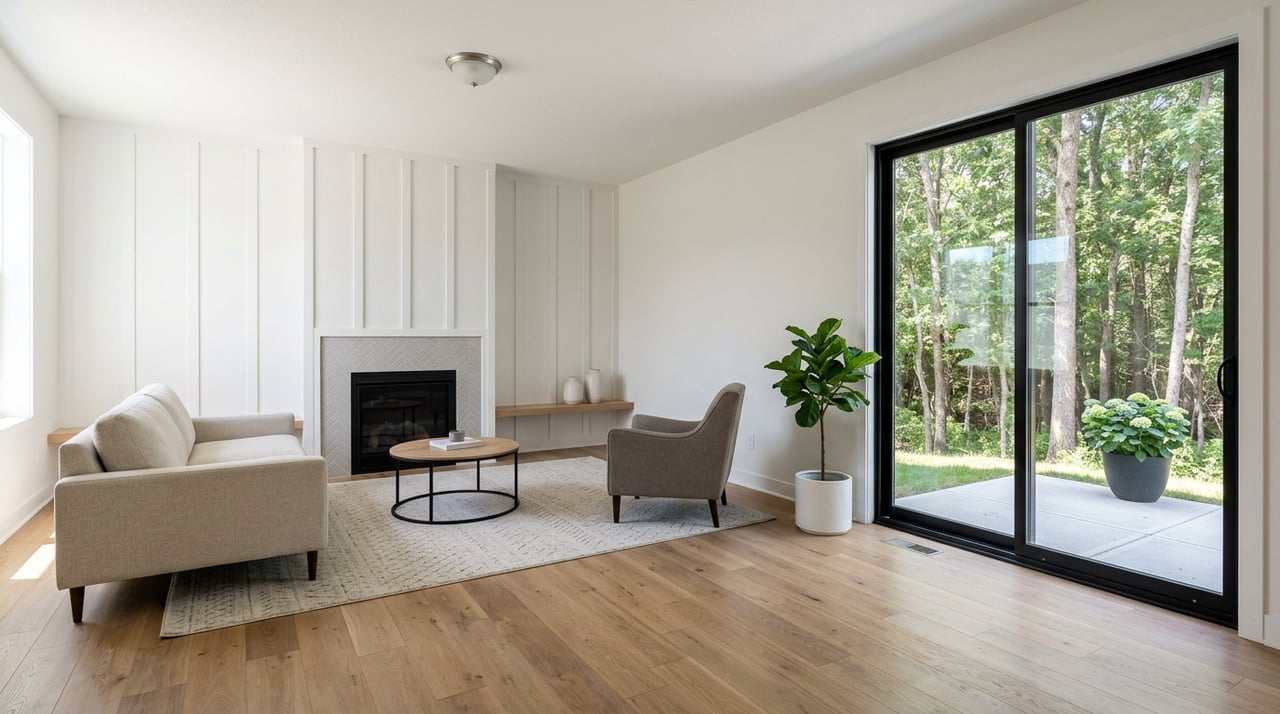
Upper-tier homes in Rudolphtown often include brick or masonry exteriors, 3,000 or more square feet, three or more baths, finished lower levels or in-law spaces, and whole-home upgrades like enhanced HVAC or generators. Outdoor living is a draw, with in-ground pools, patios, and kitchens on select lots. Some homes offer bluff or wooded views.
How luxury maps to local pricing
In the local context, homes above the neighborhood median, roughly the high $500s to $700k and above, are commonly viewed as luxury. That label also depends on finishes, acreage, and setting. When you evaluate a listing, place the price beside both Rudolphtown comps and similar acreage sales across Clarksville for a clear picture.
Utilities and site work to confirm
Electric, water, and natural gas
Inside Clarksville’s city limits, electricity is typically served by the Clarksville Department of Electricity. You can check coverage and contacts through the CDE Lightband portal. Water, wastewater, and natural gas service in and near the city are provided by Clarksville Gas & Water, though coverage is parcel-specific. Confirm connections and availability with Clarksville Gas & Water before you write an offer.
Public sewer vs. septic
A common pattern in Rudolphtown is public water paired with a private septic system. Other parcels may have public sewer. Because the mix varies by lot, verify the exact utility setup during due diligence. For septic systems, the EPA suggests inspection every 1 to 3 years and pumping every 3 to 5 years. You can review maintenance guidance in the EPA’s septic system FAQs. Ask for the septic permit, the as-built layout, and any pump or inspection records.
Floodplain and topography checks
Parts of Rudolphtown sit near natural drainages and river bluffs. Montgomery County requires permits for development in mapped flood areas, and lenders may require elevation certificates. Before you proceed, confirm the parcel’s flood zone and permit needs using the county’s flood information resources.
Zoning basics for acreage buyers
If you plan to add structures or change how you use the land, start with zoning. Montgomery County’s zoning resolution increases minimum lot size where on-lot septic is used. Many residential districts require at least 20,000 square feet for lots served by septic. Check the district rules, setbacks, and accessory use standards in the county’s zoning resolution and confirm details with Building & Codes before you design a barn, guest suite, or additional outbuilding. Always verify the exact zoning for the specific parcel.
Ownership costs to budget
Septic service and potential repairs
Plan for periodic inspections and pump-outs. The EPA recommends inspection every 1 to 3 years and pumping every 3 to 5 years. Pumping typically runs in the low hundreds, while repairs or replacements can cost thousands to tens of thousands depending on scope. See the EPA’s guidance on why maintaining your septic matters.
Lawn, trees, pool, and grounds
Acreage scales differently than a small suburban yard. Mowing and basic lawn care often run about 50 to 200 dollars per acre per visit, depending on terrain and services. If you maintain beds, trees, or a pool, budget several thousand dollars a year for a polished look. For cost context, review HomeAdvisor’s overview of lawn maintenance costs, then get local quotes.
Property taxes and insurance
Tennessee bases residential property taxes on 25 percent of appraised value, then applies local millage rates. You can read the state’s assessment glossary from the Tennessee Comptroller. Expect higher taxes on higher-priced homes or properties with extensive improvements. Insurance can also vary if you have features like older septic systems, pools, or proximity to water. Ask your insurance agent for a quote early, and confirm whether flood insurance applies using county flood resources.
Two buyer paths, side by side
Path 1: The move-up acre buyer
You want about one acre, a comfortable 3,000 or more square feet, and modern finishes, without overcomplicating maintenance. In Rudolphtown, that often places you in the high $400s to $700k band depending on features and location. Many homes offer brick exteriors, open-plan living, and outdoor patios that feel move-in ready.
Suggested checks and budget range:
- Utility mix: Confirm public water, and whether you are on septic or sewer. Ask for the septic permit and recent service records.
- Annual upkeep: Plan for lawn service and seasonal projects. If you add a pool or enhanced landscaping, revisit the budget.
- Sample annual operating snapshot: 300 to 600 dollars for septic pumping spread across years, lawn care that scales with acre size, and property taxes based on assessed value at 25 percent of appraisal. Get quotes to dial this in for your exact home.
Path 2: The estate or view-lot buyer
You are targeting 1.5 to 2 or more acres, a higher level of finish, and possibly bluff or wooded views. Expect premium pricing for scarce site features, larger footprints, and amenities like in-ground pools, whole-house generators, or outdoor kitchens.
What to plan for:
- Site and structures: Confirm flood zone, soil suitability for septic capacity, and where future outbuildings could sit given setbacks and reserve areas.
- Elevated maintenance: Larger lawns, tree management, slope or erosion control, pool service, and generator maintenance add to your annual budget.
- Due diligence: Review zoning and permitting pathways for any planned additions. Start insurance and tax projections early so there are no surprises.
Quick buyer checklist
Use this list to move from interest to confident offer:
- Verify parcel boundaries, recorded plat, and whether an HOA or voluntary association exists. Review covenants if present.
- Confirm electric service with CDE Lightband, and water or sewer availability with Clarksville Gas & Water. Note meter locations and any tap fees.
- For septic: request the permit, as-built layout, and recent inspection or pump records. Cross-check system capacity against the home’s bedroom count using EPA septic FAQs.
- Check flood hazard, elevation needs, and permit requirements with the county’s flood information.
- Confirm zoning district, minimum lot size if on septic, and setbacks in the county zoning resolution. Call Building & Codes to confirm steps for new outbuildings or additions.
- Build an operating budget: septic servicing cadence, lawn and tree work, pool care, private road or fence upkeep, and property taxes using the 25 percent assessment rule.
- Review up-to-date local comps to place any asking price in context before you write.
How Meg helps you buy with confidence
When you are weighing lot size, finishes, and long-term costs, you deserve a clear plan. As a Clarksville-based advisor with Coldwell Banker Global Luxury resources, Meg Pritschet brings neighborhood-level insight, custom market reports, and a steady process that supports both local and relocation timelines. She provides instant valuations, curated comps, and vetted mortgage and title referrals, and a portion of every transaction benefits a nonprofit you choose. If you are considering acreage or upper-tier homes in Rudolphtown, let’s talk about your must-haves and the best path to them. Connect with Meg Pritschet to get started.
FAQs
What lot sizes are typical in Rudolphtown?
- Many single-family lots are roughly 0.8 to 1.5 acres, with some parcels above that, and larger tracts are less common and priced accordingly.
How do Rudolphtown prices compare to Clarksville’s median?
- Clarksville’s typical value sits in the low to mid $300k range, while Rudolphtown listings often cluster from the high $400s to the $700k band and above for premium homes.
Who provides utilities in Rudolphtown?
- Electricity is generally from the Clarksville Department of Electricity within city limits, and water, wastewater, and gas services are through Clarksville Gas & Water depending on parcel coverage; always verify per property.
Are most Rudolphtown homes on septic or public sewer?
- A mixed pattern exists, with many parcels on public water and private septic and others on public sewer; confirm the exact setup and request septic permits and service records.
What zoning rules affect acreage in Montgomery County?
- Where a lot relies on on-site septic, the county zoning resolution requires larger minimum lot areas, often at least 20,000 square feet in many residential districts, and setbacks and accessory use rules also apply.
Should I budget extra for flood-related costs in Rudolphtown?
- If a parcel sits in or near a mapped flood zone, you may need permits, an elevation certificate, and possibly flood insurance; check the county’s flood resources before you proceed.